
A More Self-Sufficient Farm: Practical Strategies for Increasing Profit Margins
A More Self-Sufficient Farm: Practical Strategies for Increasing Profit Margins
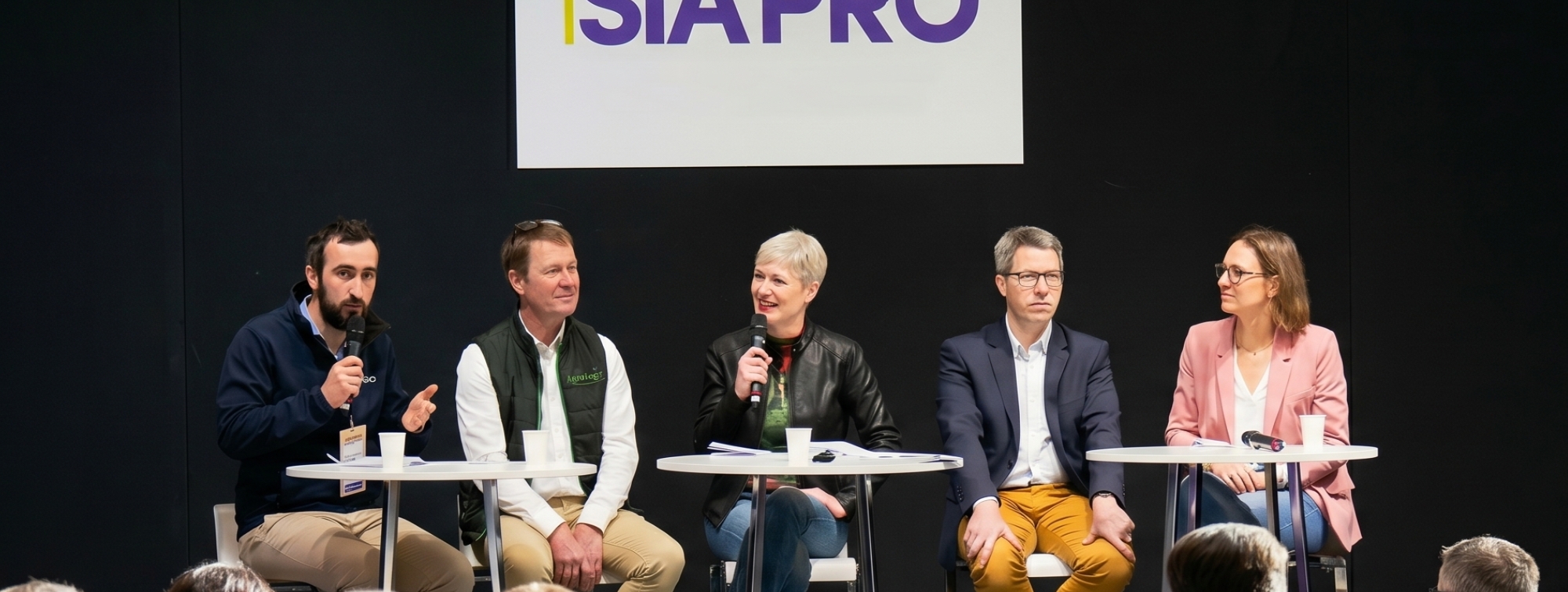
Buying at the right time, storing crops on the farm when it makes sense, managing sales, and balancing collective and individual approaches: the February 23 conference held at SIA’PRO demonstrated that self-sufficiency in agriculture is a genuine business strategy. Farmers and other industry stakeholders offered very concrete strategies for regaining control over margins, risk, and value creation.

An overview
For Romuald Carrouge, a field crop farmer in the Marne region, self-sufficiency and cost savings often go hand in hand with common sense. He relies in particular on a cooperative for shared use of agricultural machinery (CUMA) to manage his mechanization costs: starting with a “rather aging fleet of equipment,” this strategy served as “a real catalyst for getting established.”
His model also focuses on introducing legumes to reduce inputs while creating value through the harvesting, processing, and marketing of his produce. His approach is that of an agricultural entrepreneur aiming to take his products from field to table under a strong brand: C’Mon Pote Agri.
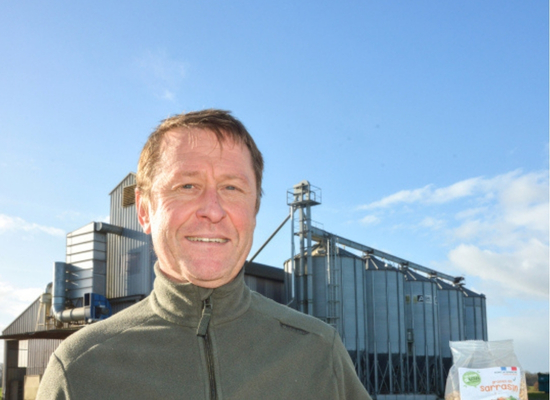
Vincent Seyeux, based in Mayenne, emphasized another key point: autonomy does not mean isolation, but rather the ability to choose the right tools and partners. It also means knowing how to promote and enhance what already exists: “I was protecting my soil and doing great things, but behind the scenes, I had no relationship with my customers, and I wasn’t promoting my products effectively. So we took our first step into organic farming and innovated by introducing quinoa.”
Aware that a niche crop only makes sense if it is approached with a full understanding of its risks, quality standards, and economic environment, the farmer went so far as to found and run the Agro Logic plant, which specializes in processing organic and gluten-free grains and legumes.

Store to improve management
Sébastien Poncelet of Argus Media makes a clear point: “In the grain sector, there are two ways to approach marketing: the collective approach, where the farmer entrusts his harvest to a professional who markets it and manages price risk, and the individual approach, where the farmer sets his own price and even handles the sale of his goods himself.”
The second strategy, which offers greater autonomy but requires significant time and expertise, goes beyond simple speculation. It is also, and above all, a matter of logistical and technical optimization, as well as a genuine passion for the business. The goal is not to “make a quick buck,” but to secure one’s margin by timing the sale correctly, using market tools, consulting, and true management discipline. Storage is not an end in itself; it is a lever for action.
Calculate before acting
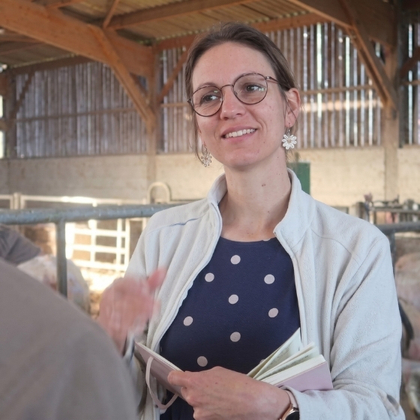
Amandine Chapuis-Bernard, an agricultural consultant and trainer, refocused the discussion on a crucial issue: economic management. For her, a strategy for autonomy must begin with three simple yet fundamental questions: what do I want to do, what are my production tools, and what financial trajectory can I sustain? She emphasized the importance of financial projections, cash flow, and working capital needs—three topics often underestimated, even though they determine the viability of a project.
Her other point of focus concerns the collective. Seeking greater autonomy does not mean breaking ties with local operators or retreating into an individualistic mindset: “That’s the worst possible strategy!” On the contrary, it involves finding one’s place within the supply chains, understanding one’s environment, and building meaningful relationships.
Further reading
Watch the recording of the conference on our YouTube channel and dive back into the heart of the discussion